
“Most stolen cars” lists can be useful context, but a national ranking does not establish the risk to an individual vehicle. Check the reporting period, source and whether the figures count thefts or show a rate relative to the number of vehicles on the road.
This guide explains how to interpret those lists and consider practical security options for your vehicle. No security product can guarantee that theft will be prevented or that a stolen vehicle will be recovered.
How Should You Read a Most-Stolen-Cars List?
Rankings change with the period and dataset used. Avoid treating an undated list as a current league table or assuming that a model outside the list is safe from theft.
When comparing a published list, check:
- The calendar year or reporting period.
- The original data source and geographical coverage.
- Whether it covers cars, all vehicles or an insurer’s customers.
- Whether model variants are grouped together.
- Whether the figures are total thefts or a rate per registered vehicle.
These distinctions matter when comparing reports or considering your own vehicle’s security.
What Do Brand-Level Theft Figures Tell You?
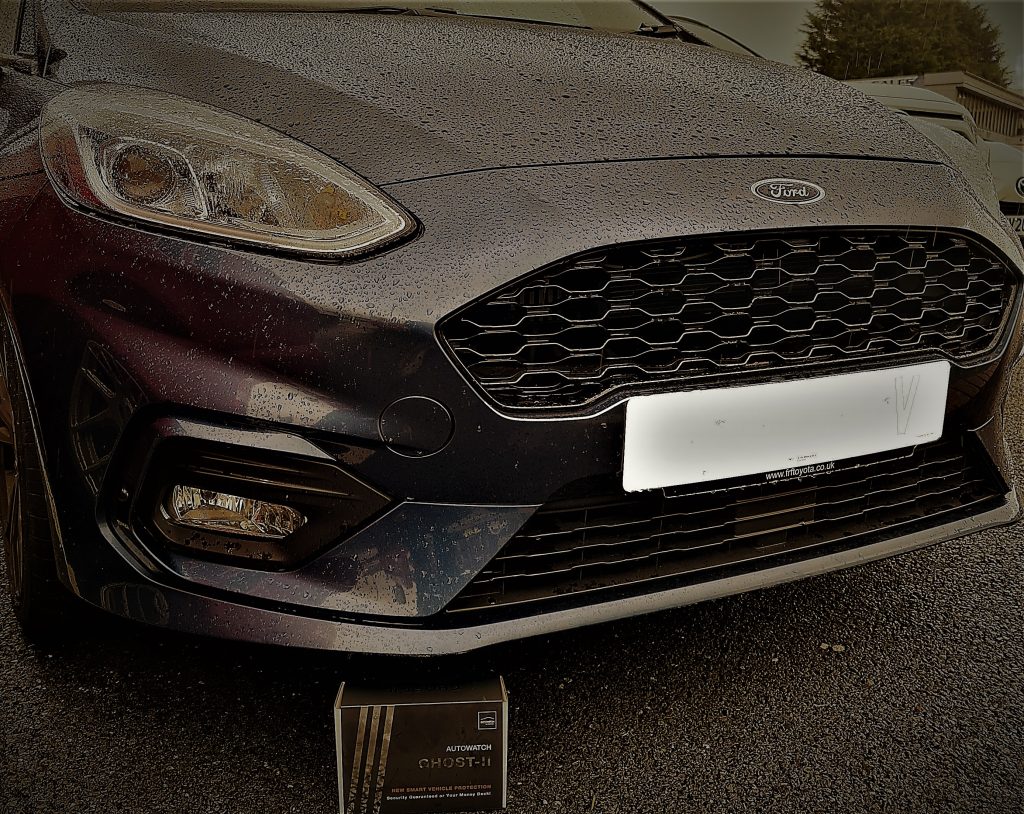
Brand totals combine many different models and ages of vehicle. They should not be read as a direct measure of the risk to every car carrying that badge.
A brand with more vehicles on the road can have a larger theft count without every model having the same theft rate. Local circumstances, parking, vehicle specification and existing security also matter.
Use current, clearly sourced data as one part of your decision, alongside your insurer’s requirements and advice for your specific vehicle.
Why do Thieves target these Cars?
High popularity
Popular vehicles such as the Ford Fiesta and Volkswagen Golf are widely available. This creates demand for replacement parts on the black market.
Keyless entry systems
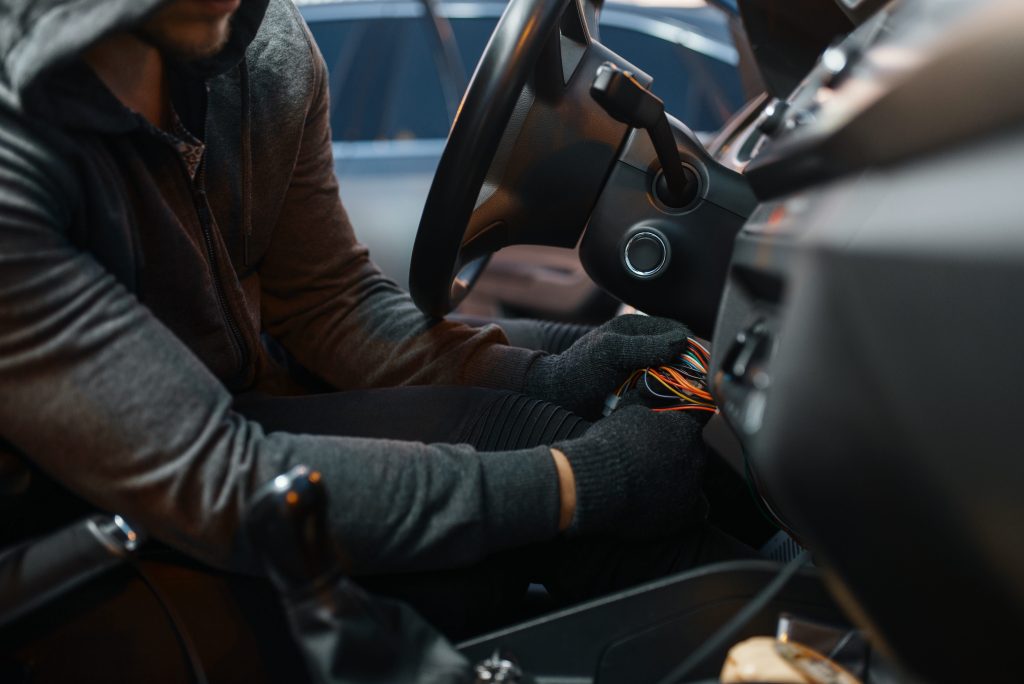
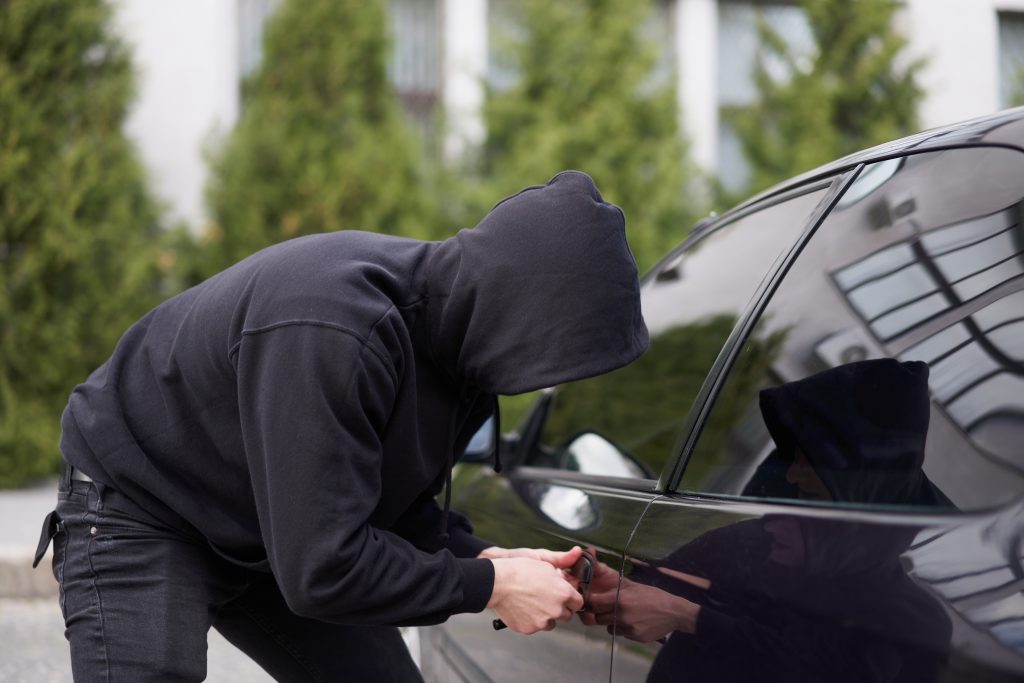
Many newer vehicles include keyless entry and push-start technology. Criminals can exploit these systems using relay attack devices that amplify key signals.
Export demand
Certain models are stolen specifically for international markets where they command higher resale values.
Factory Security and Additional Protection
Factory security varies by vehicle and specification. Additional protection should complement the systems already fitted and address the risks relevant to your vehicle.
How Do Car Thieves Steal Vehicles Today?
Theft methods vary, and electronic attacks can affect some vehicles. These broad categories explain why different protective measures may be relevant:
- Relay attacks affecting some keyless systems
- Unauthorised use of keys or key credentials
- Electronic attacks on vehicle communication systems
- Signal interference that can prevent remote locking
These risks vary by vehicle and security design. Confirm the vehicle has locked and follow current manufacturer and police advice.
How Can Vehicle Trackers Help?
Trackers can support location monitoring and recovery after theft. They do not guarantee prevention or recovery, and features depend on the selected device, connectivity, subscription and monitoring arrangements.
Options to discuss include:
- Location reporting, subject to coverage and system settings
- Monitoring and recovery support under the selected service
- Tamper and movement alerts where supported
- Certification and insurer acceptance checked for the exact package
Installation is planned for the vehicle and equipment. A concealed installation does not make a tracker impossible to find or disable.
Ask your insurer which category, certification and monitoring service it requires, then confirm the exact model and subscription before purchase. Read our vehicle-tracking guide.
What Does an Additional Immobiliser Do?
An additional immobiliser is designed to prevent unauthorised starting, while a tracker supports location and recovery. They serve different purposes and can form part of layered security.
Ghost uses an authorisation sequence on compatible vehicles. The supported functions and installation depend on the vehicle and selected product. It cannot prevent every form of theft, including physical removal of a vehicle.
Read more about Ghost immobiliser protection.
Are Dash Cams Useful for Vehicle Security?
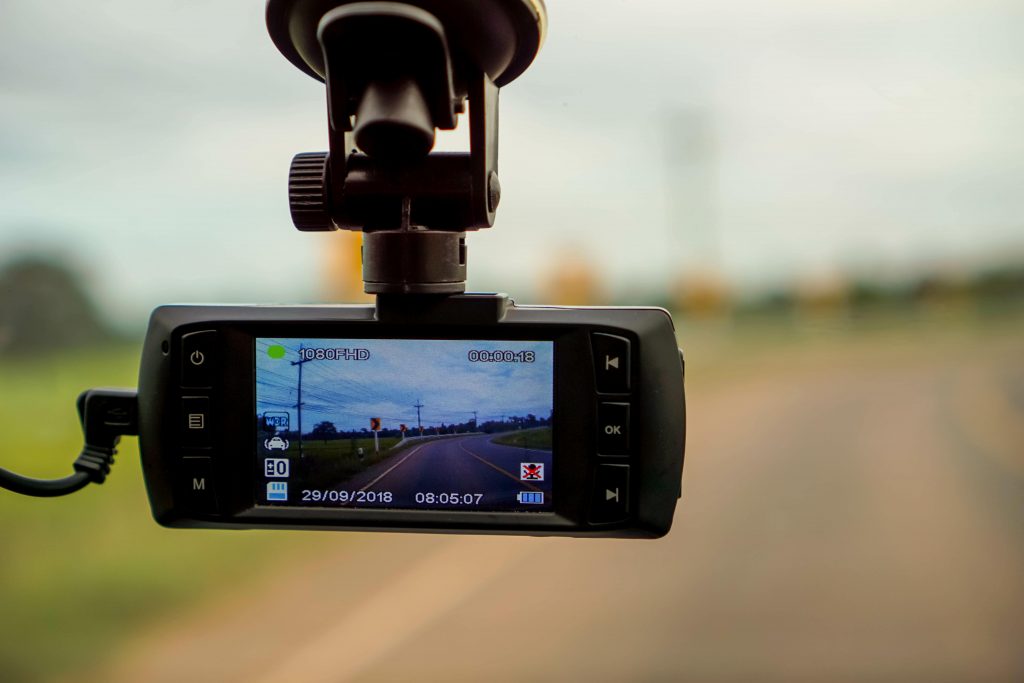
A dash cam may capture useful evidence if an incident falls within its view and recording coverage. Parking recording depends on the camera, settings and power supply; it does not guarantee detection or prevent theft.
Insurance discounts are policy-specific and must be confirmed directly with your insurer. Read our dash cam and insurance guide.
How Can Drivers Protect Vehicles from Theft?
Consider several complementary measures: secure parking, suitable physical locks, sensible key storage and compatible electronic security. For keyless vehicles, follow manufacturer guidance and check that any signal-blocking pouch works with your key.
See Police.uk’s vehicle-theft prevention advice. The right combination depends on your vehicle and circumstances.
Reviewing Your Vehicle Security
Review your security when your vehicle, parking arrangements or insurer requirements change. Discuss compatibility, how the system is used day to day, maintenance and ongoing costs before buying.
For StarLine, functions vary by vehicle and package. Installations are carried out at our workshop by appointment.
Request a Security Package Quote
Ask us for a vehicle-specific quotation for an immobiliser and tracker package. We will confirm compatibility, the exact equipment, installation, VAT-inclusive price and any ongoing subscription charges before booking.
Check any required certification and monitoring arrangements with your insurer before choosing a system.
Speak to a Vehicle Security Specialist in Swansea
Contact Lehane Autos to discuss suitable protection for your vehicle in Swansea. We can explain available options, check compatibility and provide a quotation with the equipment and installation scope clearly set out.