
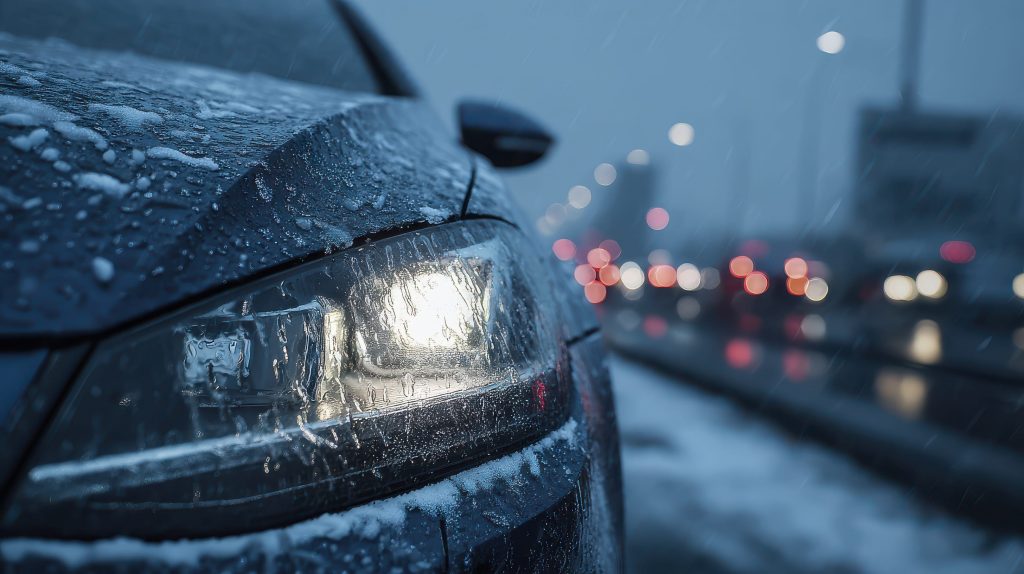
Cold weather can make starting problems and existing electrical weaknesses more noticeable. A struggling battery is one possible cause, but warning lights and intermittent faults need investigation rather than assumptions.
This guide covers battery supply, electronic systems and practical winter checks for drivers in Swansea and South Wales.
Why Does Cold Weather Affect Car Electronics in Winter?
Cold conditions can reduce the power available from a vehicle battery, while lights, heated screens and other equipment add electrical demand. The effect depends on temperature, battery condition and how the vehicle is used.
A battery and charging-system check can help establish whether the electrical supply is contributing to a starting problem. See the AA guide to winter starting problems.
How Cold Weather Affects Your Car Battery & Electrical Supply
Why Batteries Struggle in Cold Conditions
An ageing or partly discharged battery may struggle in cold weather. There is no single percentage reduction that applies to every battery and temperature.
Symptoms worth investigating include:
- Slow cranking or complete failure to start
- Increased parasitic drain becoming noticeable
- Voltage drops triggering fault codes
- Key recognition or starting warnings requiring diagnosis
- Intermittent operation of electrical equipment
A low-voltage event can produce symptoms that resemble a module fault. Check the battery, charging system and relevant connections before concluding that an ECU needs replacement. A warning that disappears after starting still deserves attention if it recurs.
How Cold Affects ECUs & Control Modules
Assessing ECU-Related Symptoms in Cold Conditions
Control modules depend on a suitable electrical supply and working connections. A fault that appears during a cold start should be assessed using the vehicle’s symptoms, fault records and measurements.
Checks may include:
- Supply voltage during starting
- Relevant sensor readings and wiring
- Communication between modules
- Signs of water ingress or damaged connections
Water ingress, damaged wiring and poor connections are possible causes of intermittent faults. Inspection and targeted tests are needed to identify the cause; cold weather alone does not prove that an ECU is damaged.
Fault codes provide clues, but further testing may be required before deciding on a repair.
Sensors, Wiring & CAN Data in Cold Conditions
Checking Sensor Warnings in Cold Conditions
A warning from ABS, traction control, engine management, airbags or driver-assistance systems should not automatically be blamed on the weather. Follow the warning instructions in your vehicle handbook and arrange assessment where needed.
Supply voltage, wiring, connectors and the relevant sensor or module may need checking. Record when the fault occurs and whether it changes as the vehicle warms up.
Immobilisers & Security Systems in Winter
Investigating Key-Recognition and Immobiliser Warnings
If the vehicle does not recognise its key, consult the handbook for the correct procedure and arrange diagnosis if the problem persists. Depending on the vehicle, the key, its battery, the vehicle supply or communication between modules may need checking.
Do not assume that an immobiliser warning means the immobiliser itself needs replacement. Additional security should be selected for vehicle compatibility and does not remove the need to maintain the vehicle’s electrical system.
Related reading: Ghost immobiliser protection and Ghost and StarLine comparison.
What About EVs & Hybrid Vehicles?
How Cold Weather Impacts Electric Vehicle Electronics
Cold weather can increase energy consumption in electric vehicles. Charging and regenerative braking may be limited while the battery is cold; the effect varies by model and conditions.
Follow your manufacturer’s winter guidance, including any recommended preconditioning and charging routine. For an example of model-specific advice, see Tesla’s cold-weather guidance. Hybrid vehicles also need the checks specified in their own handbook.
Practical Steps Swansea Drivers Can Take
How to Protect Car Electronics in Winter
You cannot change the weather, but you can reduce its impact.
Recommended actions:
- Have a struggling battery and charging system checked
- Follow the handbook’s battery-care guidance
- Use heating and demisting as needed for safe visibility
- Maintain keys and replace their batteries as instructed
- Follow warning-light instructions and arrange assessment
- Have water leaks and damaged seals investigated
- Use suitable sheltered parking where available
A fault that only appears in cold conditions is useful diagnostic information, but it does not establish the cause on its own.
The Role of Professional Diagnostics in Winter
Why Winter Electrical Faults Need Specialist Diagnostics
Reading fault codes is a starting point. The next tests depend on your vehicle and the symptoms reported.
Diagnostic work may include:
- Battery and charging system testing
- Live data analysis
- Voltage stability testing under cold load
- ECU communication checks
- Immobiliser and security validation
The aim is to gather evidence for the cause and agree the next steps before replacing parts. Some intermittent faults require further investigation.
Dash Cams, Trackers & Cold Weather Reliability
Do Dash Cams & Trackers Work in Cold Conditions?
Check the operating-temperature range and power requirements for your specific dash cam or tracker. Parking-mode duration and alerts depend on the equipment, power supply, settings and connectivity.
Suitable installation and power management matter. If a device stops working or the vehicle battery repeatedly discharges, have the installation and vehicle supply checked.
Related reading: Dash cams and insurance and vehicle tracking.
When Should You Book Diagnostics?
Warning Signs You Should Not Ignore
Contact us about repeated starting problems, intermittent warning lights, key-recognition faults or unexplained electrical behaviour, including problems that remain after a battery replacement.
For warnings affecting safe operation, follow your handbook and stop driving if instructed. Tell us when the fault occurs and what has already been checked.
Book Winter Diagnostics in Swansea Today
If your vehicle struggles to start, shows recurring warning lights or behaves differently in cold weather, contact Lehane Autos to discuss diagnostic assessment.
Appointments and the scope of testing are agreed for your vehicle and symptoms. Diagnosis may require further checks before a repair can be quoted.
Call 01792 389549 or 07468 513302, or contact us about your vehicle.